
From the blog
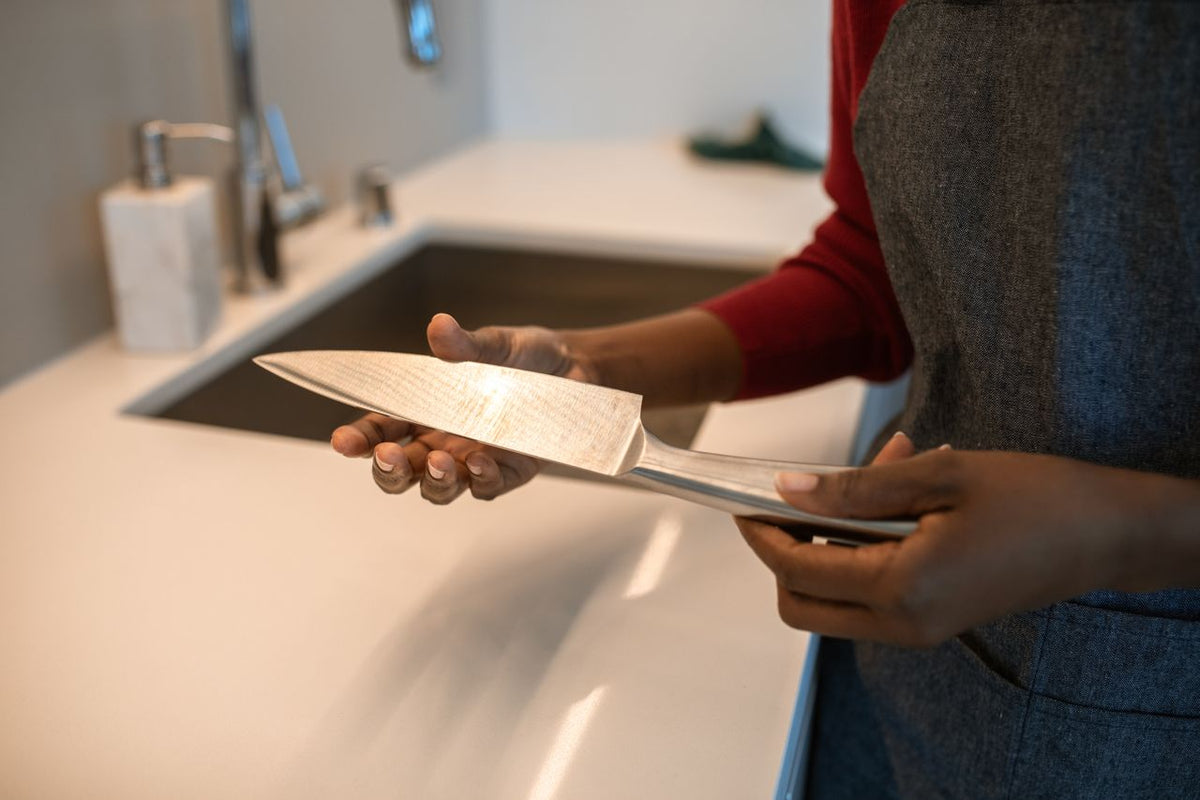
10 Signs It's Time for a New Knife (Plus What to Buy Instead)
10 signs your knife needs replacing, from a warped blade to an edge that won't hold. See exactly what to buy instead for kitchen, EDC, or hunting.
Read More >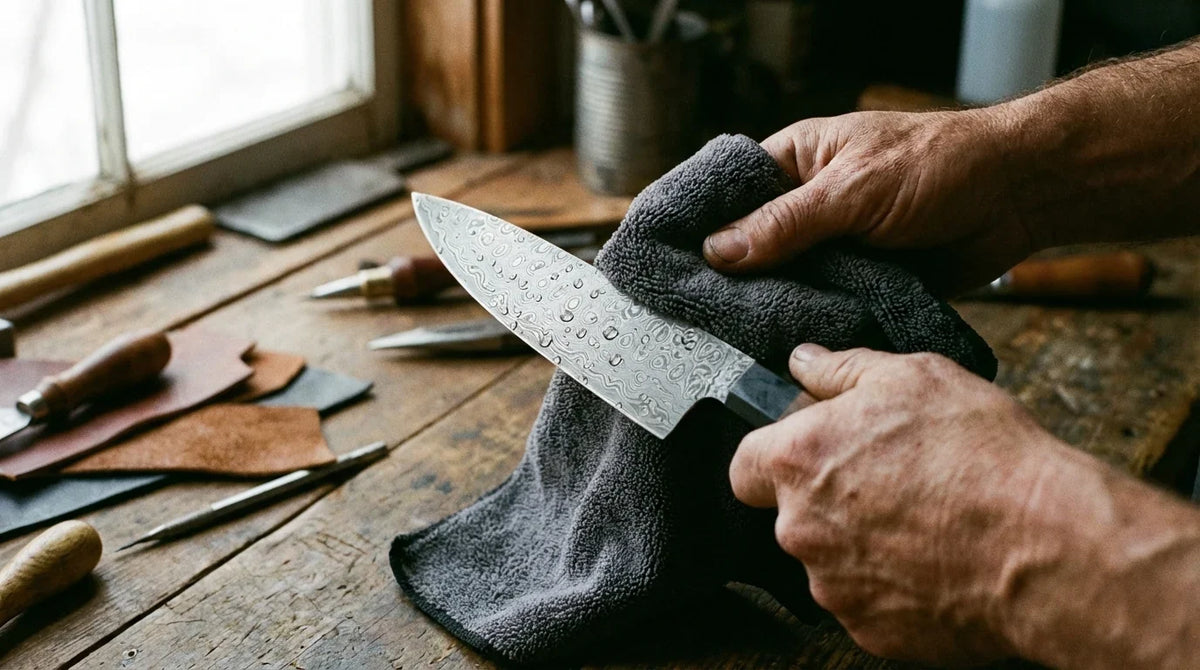
How to Care for a Damascus Steel Knife: Oiling, Storage, and Rust Prevention
Complete Damascus steel knife care guide: oiling frequency, safe cleaning, proper storage, and rust prevention to keep your blade in top condition.
Read More >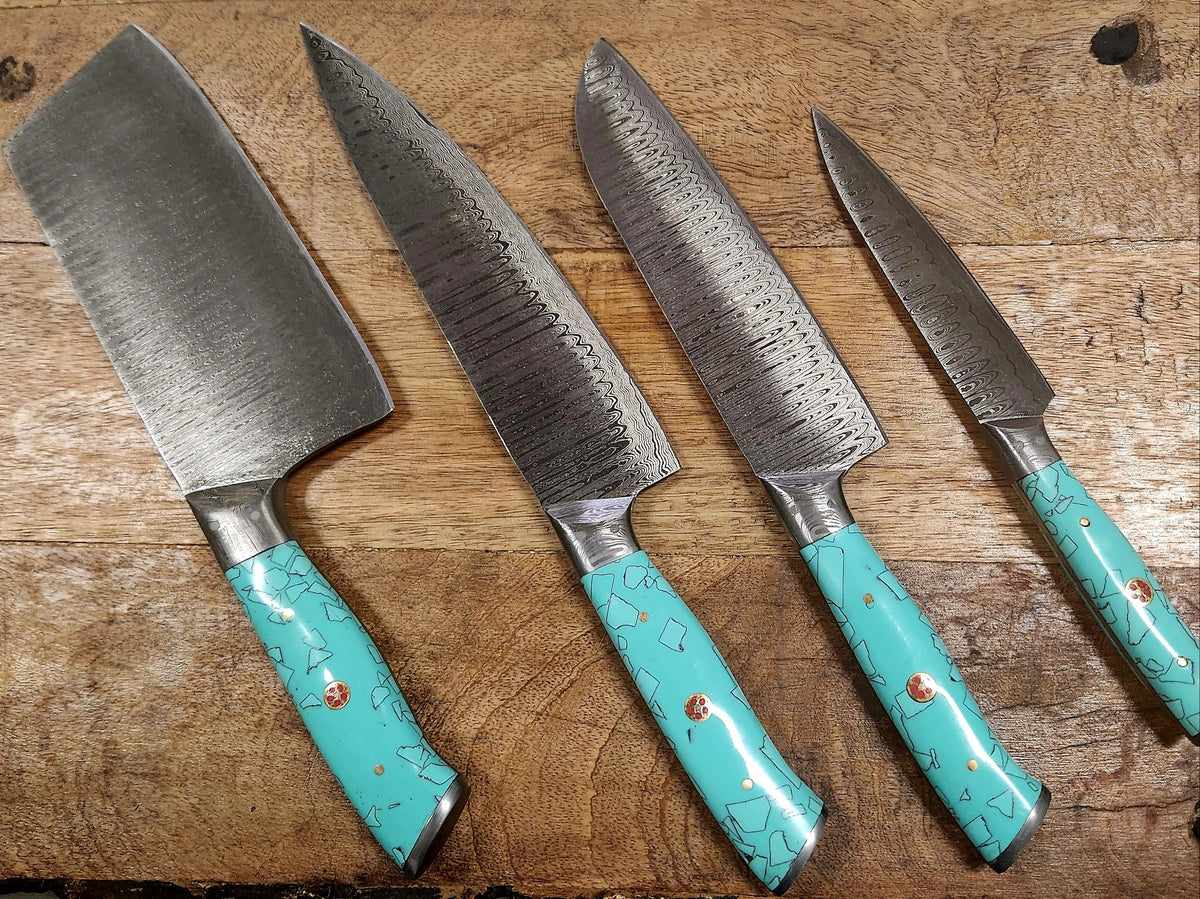
Sharpening Damascus Steel: How to Protect the Pattern and the Edge
Learn how to sharpen a Damascus steel knife without damaging its pattern. Whetstone grit, angle tips, and strop finishing for pattern-welded blades.
Read More >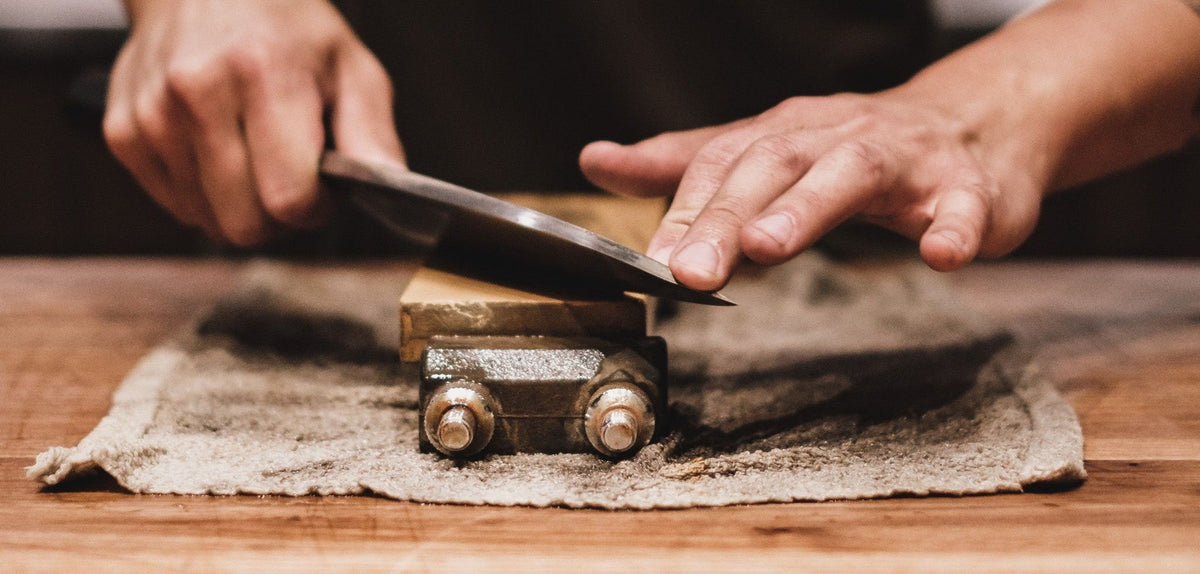
How to Sharpen a Knife at Home: Whetstone, Rod, and Pull-Through Methods Compared
Learn how to sharpen a knife with a whetstone, honing rod, or pull-through sharpener. Step-by-step angles, grit progression, and a sharpness test that works.
Read More >
Why Damascus Steel Disappeared, and How It Came Back
Damascus steel vanished for centuries before its modern revival. Here is the real history behind its disappearance and comeback.
Read More >
Damascus Knife Gifts for Men in 2026: A Gift-by-Recipient Guide
Shopping for a knife gift for men in 2026? Our gift-by-recipient guide covers Damascus picks for hunters, chefs, EDC carriers, and collectors.
Read More >Ready to Carry Something You're Proud Of?
Every Rugged Edge Blade is hand-forged Damascus steel, backed for life, and built to become part of your legacy.