
from the blog
What Is Damascus Steel? The Complete Guide to History, Patterns, and Properties
Damascus steel is renowned for its unique patterns and exceptional properties, making it a sought-after material in knife making and other applications. This comprehensive guide delves into the history, distinctive patterns, and key properties of Damascus steel, providing insights into its significance in both historical and modern contexts. Many enthusiasts and craftsmen appreciate the blend of beauty and functionality that Damascus steel offers, often seeking high-quality knives that showcase these attributes. Throughout this article, we will explore the origins of Damascus steel, its manufacturing processes, and the benefits it provides, particularly in the realm of knife-making.
Damascus Steel: A Comprehensive Guide
Damascus steel is a type of steel known for its distinctive patterns and superior performance characteristics. Historically, it was used in weaponry and tools, prized for its strength and ability to hold a sharp edge. The unique patterns are a result of the forging process, which involves layering different types of steel and iron, then folding and welding them together. This method not only enhances the aesthetic appeal but also contributes to the material's overall durability and functionality. Today, Damascus steel is widely used in high-quality knives, including those offered by specialized manufacturers like Rugged Edge Blades, which focuses on crafting durable and aesthetically pleasing knives.
History
The history of Damascus steel is rich and complex, tracing back to ancient civilizations where it was first developed. The term "Damascus" refers to the city of Damascus in Syria, which was a center for trade and craftsmanship. The steel itself is believed to have originated from the Wootz steel of India, known for its high carbon content and ability to be forged into strong blades. Over time, the techniques for creating Damascus steel evolved, leading to its use in various cultures for weapons and tools.
Wootz steel, the precursor to what we now call Damascus steel, has roots that run deep into ancient Indian metallurgy. This steel was produced using a crucible process where iron and carbon-rich materials were melted together to create ingots with a high carbon content. These ingots were then traded across continents, reaching the Middle East where local smiths refined the techniques to produce blades with the signature flowing patterns and remarkable strength. The secret behind Wootz steel’s superior qualities lay in its microstructure, tiny carbides dispersed within the steel matrix, which gave it both hardness and flexibility.
How Did Damascus Steel Originate and Evolve?
Damascus steel's origins can be traced back to around 300-500 AD, with the earliest known examples found in India. The unique properties of Wootz steel, which was imported to the Middle East, led to the development of the distinctive patterns associated with Damascus steel. As blacksmiths experimented with different forging techniques, they discovered that layering different steels produced blades that were not only stronger but also visually striking. This evolution continued through the Middle Ages, where Damascus steel became synonymous with high-quality weaponry, particularly in the hands of skilled artisans.
During the Crusades era, Damascus steel gained legendary status among European knights and warriors. The blades were reputed to be sharper, tougher, and more resilient than the typical swords of the time. Crusaders returning from the Middle East brought tales of these remarkable weapons, fueling a mystique that surrounded Damascus steel for centuries. The steel’s ability to hold a keen edge and resist shattering in battle made it a prized possession, often passed down through generations as heirlooms.
However, the exact methods used to create authentic Damascus steel were lost by the mid-19th century. Despite numerous attempts, metallurgists and blacksmiths struggled to replicate the original Wootz steel and the intricate forging techniques that produced those legendary patterns and properties. This loss has only added to the allure and mystery of Damascus steel, inspiring modern craftsmen to rediscover and reinterpret the ancient art.
What Role Did Damascus Steel Play in Historical Weaponry?
Damascus steel played a significant role in historical weaponry, particularly during the medieval period. Its strength and ability to be honed to a sharp edge made it a preferred material for swords and knives. Notable weapons, such as the famous scimitars and sabers, were crafted from Damascus steel, which not only provided functional advantages in battle but also served as a status symbol among warriors. The unique patterns of the steel were often seen as a mark of craftsmanship and quality, further enhancing its desirability.
These blades were more than just tools of war—they were symbols of power and prestige. Warriors who wielded Damascus steel swords were often viewed as elite fighters, their weapons reflecting both their skill and status. The steel’s combination of toughness and sharpness gave them an edge in combat, while the mesmerizing patterns made each blade a work of art. This blend of form and function is what has kept Damascus steel relevant and revered even in modern times.
Unique Patterns
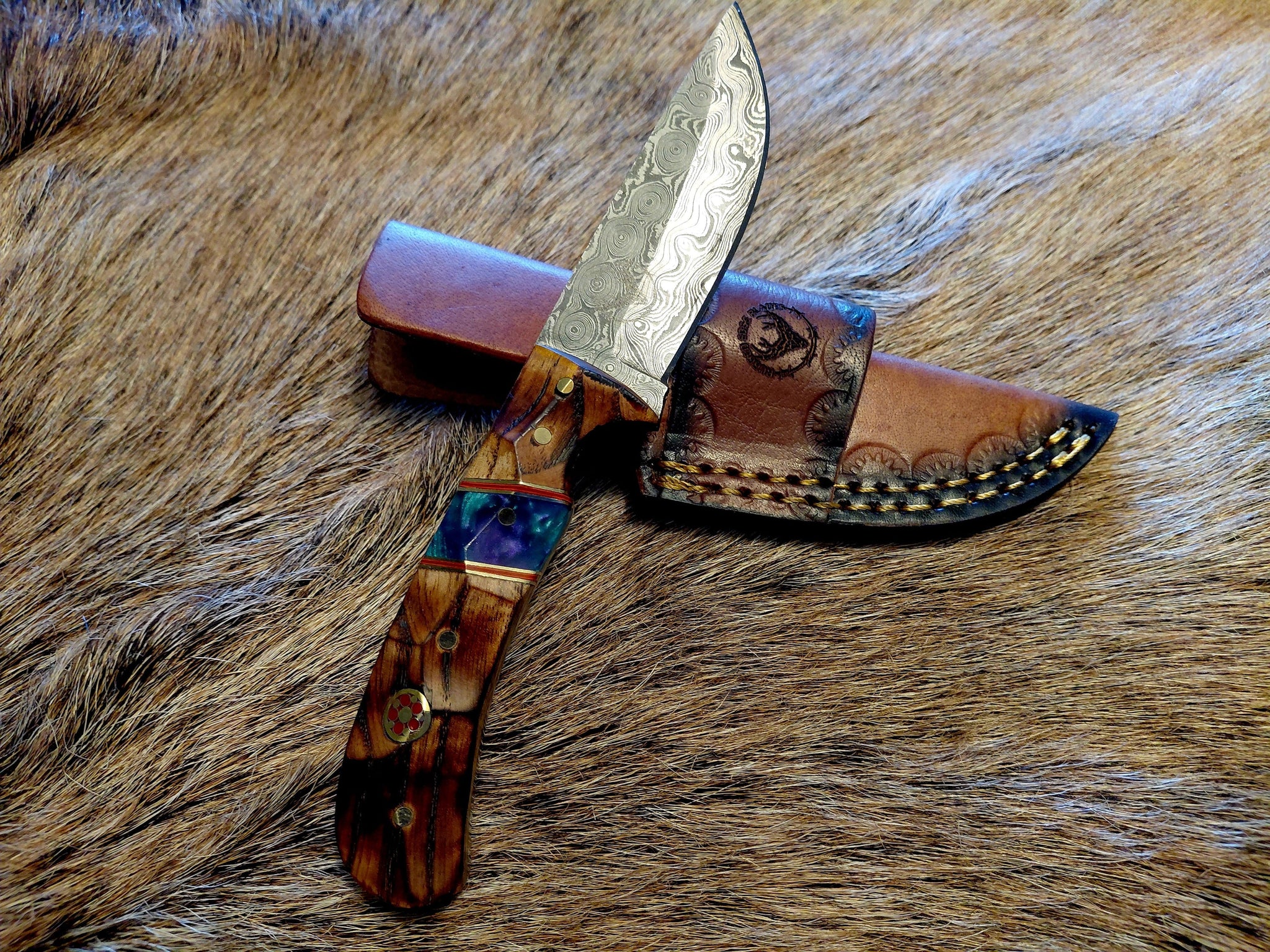
The unique patterns found in Damascus steel are one of its most defining characteristics. These patterns are not merely decorative; they also reflect the complex processes involved in the steel's creation. The layering and folding of different steel types create intricate designs that can vary widely, making each piece unique.
Key Properties
Damascus steel is celebrated for several key properties that contribute to its popularity in knife-making and other applications. These properties include:
-
Durability: The layered structure of Damascus steel enhances its strength, making it resistant to chipping and breaking.
-
Sharpness: Damascus steel can be honed to a razor-sharp edge, allowing for precise cutting and slicing.
-
Edge Retention: The high carbon content in Damascus steel contributes to its ability to maintain sharpness over time, reducing the need for frequent sharpening.
-
Aesthetic Appeal: The unique patterns and finishes of Damascus steel make it visually striking, appealing to collectors and enthusiasts alike.
-
Versatility: Damascus steel is suitable for a variety of applications, from kitchen knives to outdoor tools, making it a versatile choice for many users.
Rugged Edge Blades specializes in crafting high-quality knives from Damascus steel, emphasizing the durability and craftsmanship that this material offers. Our products are designed for hunting, camping, and ranching enthusiasts who appreciate both functionality and aesthetics in their tools.
Manufacturing Process
The manufacturing process of Damascus steel involves several intricate steps that contribute to its unique properties and appearance. Understanding these steps can provide insight into the craftsmanship behind each blade.
What Are the Key Steps in the Damascus Steel Manufacturing Process?
-
Material Selection: High-carbon steel and low-carbon steel are chosen for their complementary properties. The high-carbon steel provides hardness and edge retention, while the low-carbon steel adds toughness and flexibility.
-
Layering: The selected steels are stacked in alternating layers, sometimes numbering in the hundreds. This layering is the foundation for the steel’s distinctive patterns and balanced performance.
-
Forging and Folding: The layered billet is heated to a precise temperature and hammered or pressed to weld the layers together. The smith then folds the billet over itself repeatedly, increasing the layer count and creating complex patterns. This folding also helps to distribute carbon evenly and remove impurities.
-
Heat Treatment: After forging, the blade undergoes heat treatment processes such as quenching and tempering. Quenching rapidly cools the blade, locking in hardness, while tempering reduces brittleness, ensuring the blade can withstand tough use without cracking.
-
Finishing: The blade is polished and etched with acid to reveal the intricate patterns formed by the different steel layers. This final step highlights the craftsmanship and unique character of each blade.
How Does Pattern Welding Influence Damascus Steel Quality?
Pattern welding is a crucial aspect of Damascus steel production that significantly influences its quality. This technique involves the deliberate layering and folding of different steel types, which not only creates the characteristic patterns but also enhances the material's overall performance. The process allows for the combination of different properties, such as hardness and flexibility, resulting in a blade that is both strong and resilient. Additionally, the aesthetic appeal of the patterns adds value, making Damascus steel knives highly sought after by collectors and users alike.
The layering and folding process is more than just artistry—it’s a science. By combining steels with varying carbon contents and alloy compositions, smiths can tailor the blade’s characteristics to specific needs. For example, adding nickel can improve corrosion resistance, while manganese can enhance toughness. The repeated folding also helps to homogenize the steel, reducing weak spots and improving overall strength.
This intricate forge welding technique, which combines materials with contrasting properties, has been a cornerstone of blade production for centuries.
What Is the History of Damascus Steel Knives?
The history of Damascus steel knives is intertwined with the broader narrative of Damascus steel itself. As the techniques for creating this unique steel evolved, so too did the methods for crafting knives. The earliest Damascus steel knives were often used by warriors and hunters, valued for their sharpness and durability. Over time, these knives became symbols of craftsmanship and quality, with skilled artisans developing their own unique styles and patterns.
Knives made from Damascus steel were prized tools on the frontier and battlefield alike. Their ability to hold a sharp edge through hard use made them indispensable for hunters tracking game, ranchers working cattle, and outdoorsmen facing the rugged wilderness. The knives’ toughness meant they could handle everything from skinning animals to cutting rope and wood without chipping or dulling quickly.
What Are the Distinctive Patterns of Damascus Steel Knives?
The distinctive patterns of Damascus steel knives are a result of the complex manufacturing process. These patterns can vary widely, with some of the most common including:
-
Ladder Pattern: Characterized by a series of parallel lines, this pattern is both simple and elegant.
-
Raindrop Pattern: Resembling droplets of water, this pattern is created through a specific folding technique that enhances the visual appeal.
-
Twist Pattern: This intricate design is achieved by twisting the layers of steel during the forging process, resulting in a dynamic and eye-catching appearance.
Which Damascus Steel Knife Patterns Are Most Common?
Among the various patterns, the ladder, raindrop, and twist patterns are the most commonly found in Damascus steel knives. Each pattern not only adds to the knife's aesthetic but also reflects the skill of the craftsman. Collectors often seek out specific patterns, as they can indicate the quality and craftsmanship of the knife.
How Do Patterns Affect the Blade’s Performance and Aesthetics?
The patterns in Damascus steel not only enhance the visual appeal of the blades but also play a role in their performance. The unique layering can influence how the blade behaves during use, affecting factors such as flexibility and strength. Additionally, the aesthetic qualities of the patterns can make a knife more desirable to collectors and users, adding to its overall value.
What Are the Blade Properties and Benefits of Damascus Steel?
Damascus steel knives offer several benefits that make them a preferred choice among enthusiasts and professionals alike. The combination of durability, sharpness, and aesthetic appeal makes these knives stand out in the market.
How Does Damascus Steel Compare to Carbon Steel?
When comparing Damascus steel to traditional carbon steel, several key differences emerge. Damascus steel typically offers superior edge retention and durability due to its layered structure. While carbon steel can be easier to sharpen, it may not provide the same level of performance or aesthetic appeal as Damascus steel. The unique patterns and properties of Damascus steel make it a more versatile and attractive option for many users.
What Makes Damascus Steel Knives Durable and High-Performing?
The durability and high performance of Damascus steel knives can be attributed to their unique manufacturing process. The combination of different steel types creates a blade that is not only strong but also resistant to wear and tear. Additionally, the careful forging and quenching processes enhance the blade's ability to maintain sharpness and withstand heavy use. Rugged Edge Blades focuses on these qualities, ensuring that their Damascus steel knives meet the demands of outdoor enthusiasts and professionals alike.
Edge retention is a critical factor for anyone who relies on their knife day in and day out. Damascus steel’s layered construction means the blade can hold a razor-sharp edge longer than many other steels, reducing the need for constant sharpening in the field. This is a huge advantage for hunters tracking game through rough terrain or ranchers working long days on the range.
Toughness is another hallmark of Damascus steel. The combination of hard and soft layers allows the blade to absorb shocks and resist chipping or breaking under stress. This resilience makes Damascus steel knives ideal for outdoor workers who need a dependable tool that won’t fail when the going gets tough.
In real-world performance, these knives excel in versatility. Whether you’re skinning a deer, cutting through tough brush, or preparing a meal at camp, a Damascus steel knife delivers the strength, sharpness, and reliability you need. The rugged construction and eye-catching patterns also make these knives a point of pride for those who value craftsmanship and tradition.
Based out of Poolville, Texas, Rugged Edge Blades is a veteran-owned knife maker that creates American-made, heirloom quality Damascus knives designed for the ranch, the hunt, the kitchen, and everyday use. We create blades that are built to last.
Ready to Carry Something You're Proud Of?
Every Rugged Edge Blade is hand-forged Damascus steel, backed for life, and built to become part of your legacy.